


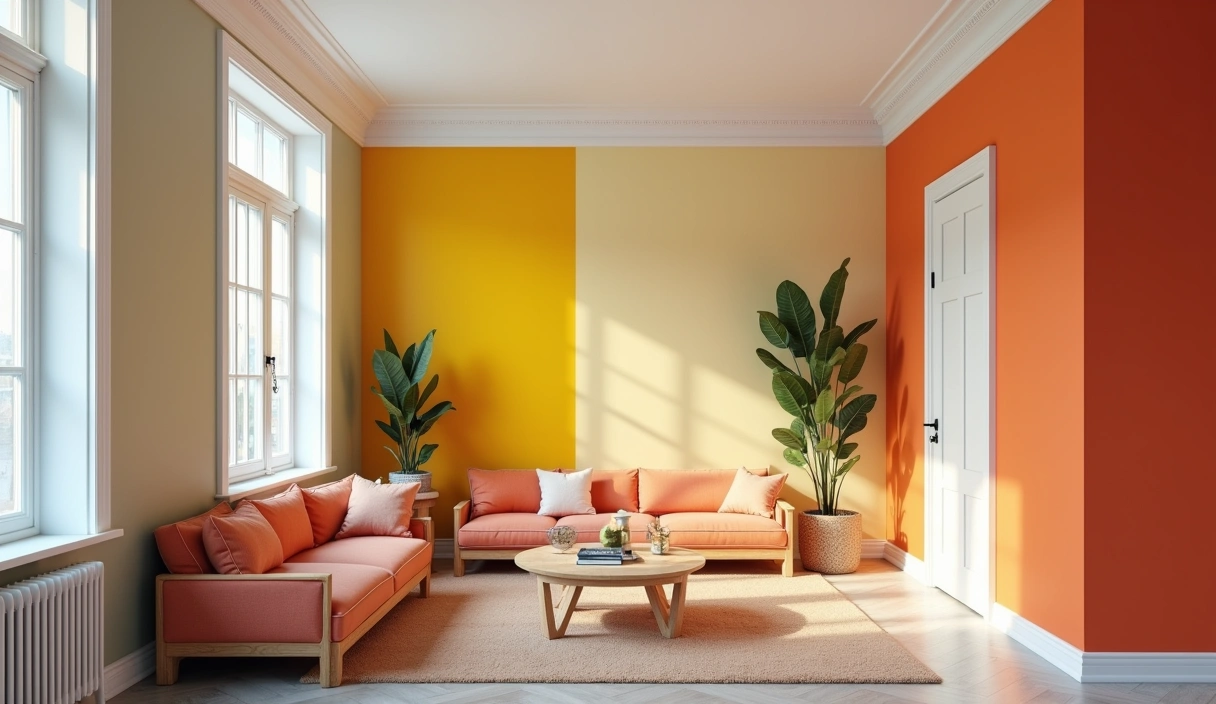
Interior design trends have shifted toward bold, maximalist styles and colors since the pandemic. Designers say that spending more time at home has encouraged many people to take more risks with their decor. Neutral shades like beige and gray are being replaced by whimsical, playful, and bright colors.
Designers offer advice on how to choose bright paint colors, where to use them, and how to overcome hesitation about working with vibrant hues.
How to Choose Vibrant Paint Colors
Selecting a paint color is a personal decision. Lesley Myrick of Lesley Myrick Interior Design starts with the client, not with trends. She says a vibrant paint color must be a commitment, something the homeowner will still like when the trend passes. Myrick suggests paying attention to the colors a person likes to wear, the colors already in the room, and how the light changes from morning to evening.
Myrick notes that vibrant color has high impact and cannot be an afterthought. It should be rooted in something specific and personal. Otherwise, the room may look loud instead of layered.
The key is to pick a color you love, ensure it works with other items in the space, and observe how light affects the paint throughout the day.
Best Rooms for Bright Colors
Bright paint colors energize a space, so they work well in rooms that are lively or need more energy. Myrick says small spaces are ideal for bold colors because the color wraps around the person and creates a complete mood. She mentions a powder room in deep green or saturated blue as an example of a memorable room.
Daniele Doerge, a color expert from California Paints, recommends entryways and hallways as good places to introduce vibrant colors. She also likes dining rooms and living rooms for strong tones, as these are natural gathering spaces where color can feel inviting and expressive.
Myrick agrees that dining rooms are a natural fit, especially because they are often used at night when rich color looks best in low light.
Overcoming Hesitation
Many people feel hesitant about using bright colors. Both designers offer tips to help. Myrick points out that paint is the least permanent design decision a person can make. If someone hates the color in a few years, they can paint over it. She recommends getting large samples, painting them on two different walls, and living with them for a few days. She says to look at the samples in morning light, afternoon light, and at night, because the same color can shift dramatically.
Doerge suggests starting small. She recommends painting cabinets or an interior door, or adding an accent wall to see how the color feels. She also advises pairing bold colors with a neutral or texture in furniture, decor, or rugs.
Myrick encourages people to commit fully. She says a half-hearted vibrant color that felt safer than the bold choice always disappoints. If someone is going to go bold, she says to go all the way.
Popular Bright Colors Now
Even though vibrant colors are energizing, the right bold color can still feel calming. Colors inspired by nature are a wise choice. Doerge says trends are moving toward vibrant colors rooted in nature, such as golden yellows, clay-inspired corals, and lush greens that feel bright but grounded.
Popular paint colors currently include Farrow & Ball’s Selvedge, Hague Blue, Beverly, Setting Plaster, and Faded Terracotta. Sherwin Williams offers Redend Point and Concerto. Benjamin Moore has Dragonwell. These colors are available from various retailers at varying prices.
The Bold Move Your Home Needs
Designers agree that the color a person loves is always the right choice. Bright paint colors are not a trend to chase or a risk to manage. They are an invitation to make a home feel more personal. The advice is to start with the room that needs the most life, paint a large sample, live with it for a few days, and commit fully when the right color is found. The half-hearted choice always disappoints, but the bold one does not.
